Why Timing Matters for Concrete Pouring in Riverside
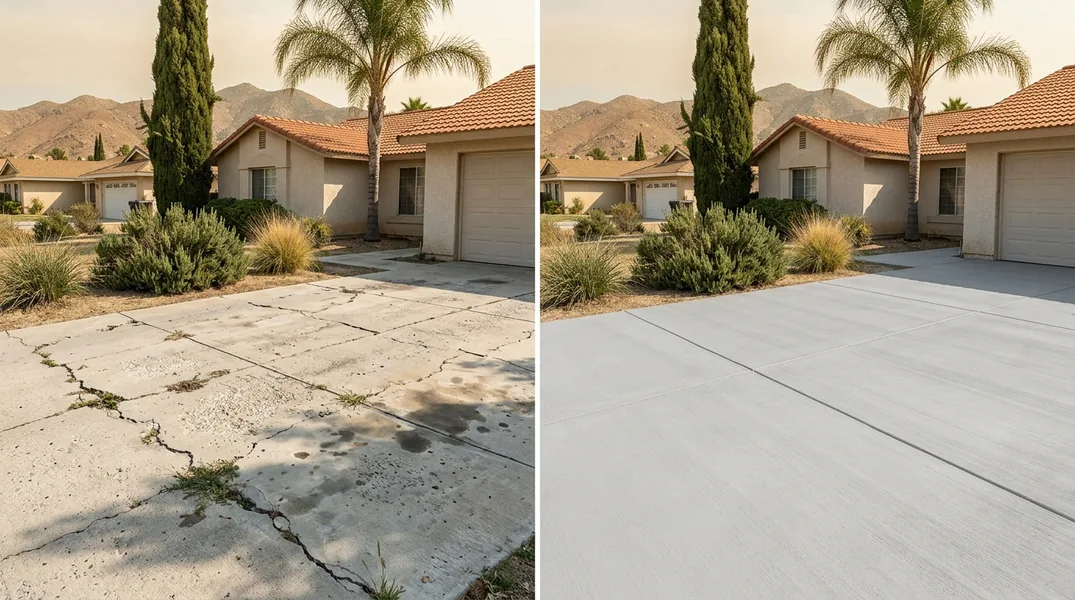
When you're planning a Concrete Driveways project or any concrete work in Riverside, the time of year you choose can make a significant difference in the quality and longevity of your finished product. Many homeowners don't realize that concrete curing is highly sensitive to temperature, humidity, and wind conditions. Pouring concrete at the wrong time of year can lead to cracking, uneven curing, color variations, and premature deterioration that could have been avoided with better timing.
The Southern California climate presents unique challenges that differ from other regions. Riverside experiences extreme heat in summer, unpredictable Santa Ana winds in fall and winter, and variable moisture levels throughout the year. Understanding these seasonal patterns is essential before you schedule your concrete project. Whether you're installing a new driveway, Concrete Patios, or pursuing Stamped & Decorative Concrete work, the season you choose will directly impact your results.
Spring: The Ideal Season for Concrete Pouring
Spring, particularly March through May, is widely considered the best time to pour concrete in Riverside and throughout California. During these months, temperatures are moderate, typically ranging from the mid-60s to low 80s Fahrenheit. This temperature range is ideal because it allows concrete to cure at a steady, predictable pace without the stress of extreme heat or cold. The concrete reaches adequate strength without being rushed by high temperatures, and the risk of rapid evaporation is minimized compared to summer months.
Spring also brings more consistent humidity levels, which concrete needs for proper hydration during the curing process. Lower humidity in Riverside can cause concrete to dry too quickly, leading to surface cracking and weak spots. The moderate spring weather helps maintain the right balance of moisture retention and strength development. If you're considering a concrete project and want the best possible outcome, scheduling your work for spring gives you the highest probability of success. This is the season when professional concrete contractors in Riverside are most confident about delivering superior results.
Summer Heat and Concrete Curing: Why Extreme Heat Poses Problems
Summer is the most challenging season for concrete work in Riverside. From June through August, temperatures regularly exceed 95 degrees Fahrenheit, and it's not uncommon for the thermometer to climb above 110 degrees. While you might think that extra heat would help concrete cure faster, the reality is far more complicated. Extreme heat causes rapid water evaporation from the concrete surface, which prevents proper hydration of the cement. This accelerated surface drying creates internal stress within the concrete, leading to shrinkage cracks that compromise both the appearance and structural integrity of your project.
Additionally, concrete curing extreme heat can cause uneven color development, especially in decorative finishes. If you're investing in Stamped & Decorative Concrete, summer pouring increases the risk of blotchy, inconsistent coloring that detracts from your investment. The intense sun also makes it difficult for workers to maintain proper finishing techniques, as the concrete sets too quickly. If you absolutely must pour concrete during summer, expect to pay premium pricing for early morning pours, specialized curing compounds, and extra labor to manage the challenging conditions.
Fall and Santa Ana Winds: A Hidden Risk for Fresh Concrete
Fall in Riverside brings a different set of challenges, particularly the notorious Santa Ana winds that typically arrive between September and April. These powerful, dry winds can devastate freshly poured concrete by accelerating evaporation to dangerous levels. Santa Ana winds fresh concrete is a combination that concrete contractors dread because the winds can cause rapid surface drying while the interior of the concrete is still curing. This creates a situation where the surface hardens prematurely while internal stresses continue to develop, resulting in deep cracks that may not appear immediately but will worsen over time.
The Santa Ana winds also kick up dust and debris that can become embedded in fresh concrete, affecting both appearance and durability. If you're planning work in fall, you'll need to discuss wind protection strategies with your contractor. Some mitigation techniques include windbreaks, shade cloth, and specialized curing compounds that slow evaporation. However, these add-ons increase project costs and don't completely eliminate the risk. If you're considering a fall project, it's worth getting a free estimate that accounts for these seasonal challenges so you understand the true scope of work and potential costs involved.
Winter Conditions: Cooler Temperatures and Moisture Considerations
Winter months, from December through February, offer moderate temperatures that are actually quite favorable for concrete curing. Daytime temperatures typically range from 60 to 70 degrees Fahrenheit, which is within the ideal range for concrete hydration. The slower curing process during winter actually allows the concrete to develop stronger long-term strength compared to faster summer cures. However, winter brings its own set of considerations that homeowners should understand before scheduling work during these months.
The primary concern during winter is moisture and frost risk. While Riverside doesn't experience the severe freezing conditions of northern states, occasional cold snaps can drop temperatures below 40 degrees Fahrenheit, particularly at night. Concrete that is still curing can be damaged by freezing temperatures because water within the concrete expands when it freezes, creating internal damage. Additionally, winter brings occasional rain, which can interfere with the curing process and create surface imperfections. If you're planning winter concrete work in Moreno Valley, Corona, or Jurupa Valley, your contractor will need to implement protective measures such as blankets or heaters to maintain proper curing conditions.
Planning Your Concrete Project: What to Do Now
The best approach is to plan your concrete project well in advance, aiming for spring if possible. If spring doesn't work with your schedule, understand the trade-offs of other seasons and budget accordingly. Early fall, specifically September through early October before Santa Ana winds intensify, can work as a secondary option. Whatever season you choose, working with experienced local contractors who understand Riverside's unique climate is essential. They can advise you on the best timing for your specific project type and implement appropriate techniques to overcome seasonal challenges.
If you're ready to move forward with your concrete project, Riverside Concrete Pros has the expertise to guide you through the planning process. We understand how weather patterns affect Concrete Driveways, patios, and decorative finishes throughout the year. Contact us at (951) 470-2469 or visit our website to discuss your project timeline and get a free estimate that accounts for seasonal considerations. Our team will help you choose the optimal timing for your investment and ensure your concrete is installed and cured under the best possible conditions.
Looking for a professional concrete contractor in Riverside? Riverside Concrete Pros responds fast for all your concrete needs.
Get a Free QuoteOur services: Concrete Driveways · Concrete Patios · Stamped & Decorative Concrete